Yes65%
No35%
Sep 8Sep 15Sep 22Sep 30Oct 8
100%75%50%25%0%
IMF PortWatch publishes the deciding data in its Port Monitor, updated each Tuesday at 8:00 AM CT, and the value used is the 7-day Moving Average of daily vessel transit calls through the Strait of Hormuz in the exported Arrival of Ships data. The outcome is Yes if the 7-day moving average for any day after April 1, 2026 and before July 1, 2027 is greater than the normal traffic level of 60 ships, and No otherwise. The outcome may be determined early once a Port Monitor update shows a qualifying day, and otherwise becomes final at 8:00 AM CT when IMF PortWatch updates the Port Monitor after July 1, 2027. If the Port Monitor update is delayed, resolution waits until it is published.
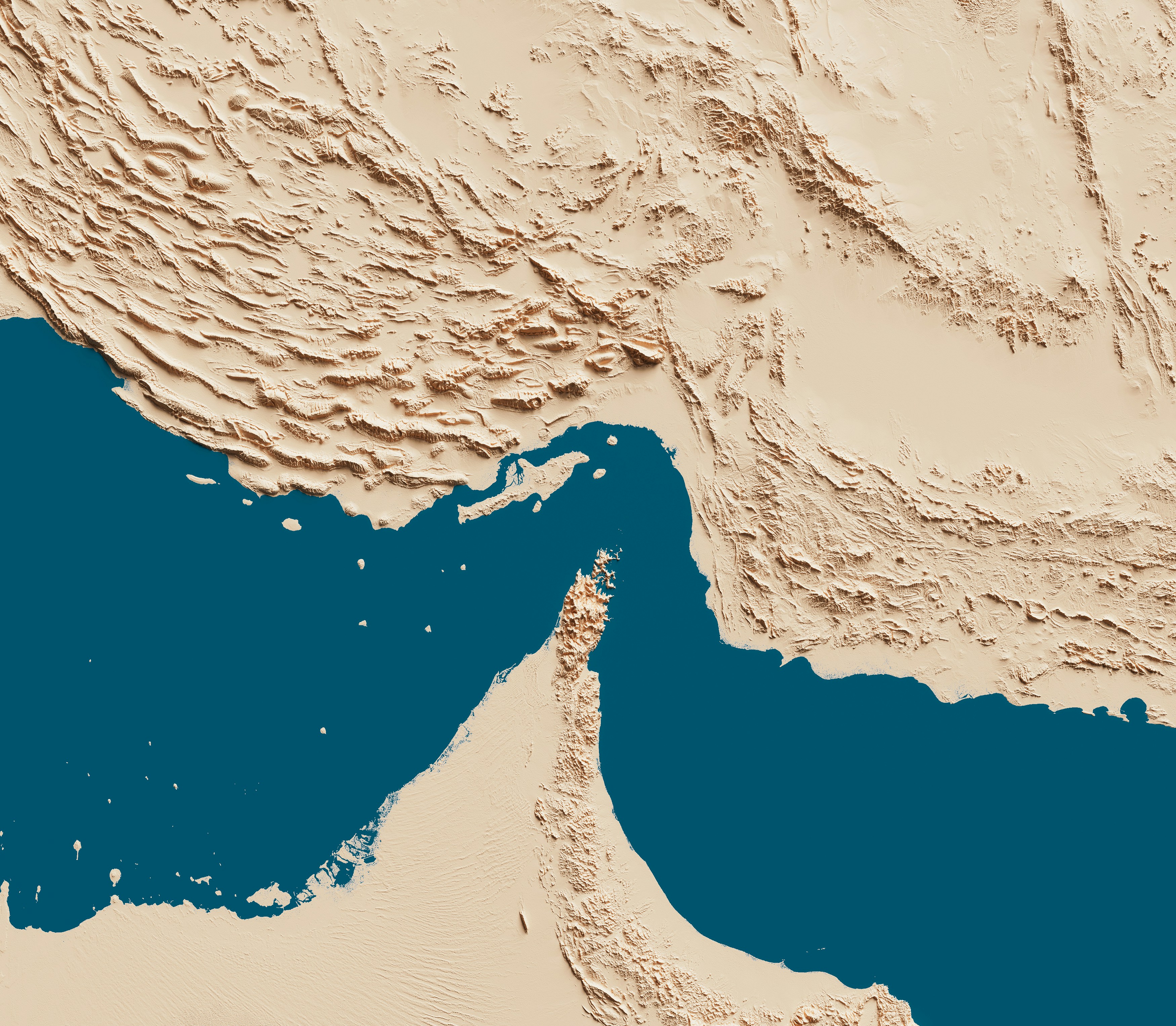
The Strait of Hormuz is a narrow waterway linking the Persian Gulf to the open ocean. The measure is whether traffic through the Strait returns to normal, meaning the 7-day moving average of daily vessel transit calls rises above a fixed normal level of 60 ships, before July 1, 2027.
IMF PortWatch publishes the deciding data in its Port Monitor, updated each Tuesday at 8:00 AM CT, and the value used is the 7-day Moving Average of daily vessel transit calls through the Strait of Hormuz in the exported Arrival of Ships data. The outcome is Yes if the 7-day moving average for any day after April 1, 2026 and before July 1, 2027 is greater than the normal traffic level of 60 ships, and No otherwise. The outcome may be determined early once a Port Monitor update shows a qualifying day, and otherwise becomes final at 8:00 AM CT when IMF PortWatch updates the Port Monitor after July 1, 2027. If the Port Monitor update is delayed, resolution waits until it is published.
The Strait of Hormuz is a narrow waterway linking the Persian Gulf to the open ocean. The measure is whether traffic through the Strait returns to normal, meaning the 7-day moving average of daily vessel transit calls rises above a fixed normal level of 60 ships, before July 1, 2027.